Open-license geometric sans-serif for modern branding
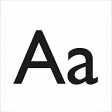
Rodondo, designed by Olly Wood and published under the Rodondo name, is a geometric sans-serif typeface intended for short display text and interface headings. It pairs precise letter shapes with slightly softened corners to produce readable display typography while keeping visual economy. The typeface targets graphic designers, web developers, and digital artists who want a permissive license and a compact resource for digital projects.
What Rodondo contributes to digital typography
Rodondo is a geometric sans-serif that emphasizes measured letterforms and considered negative space, creating a direct, contemporary voice for display work. The design balances rigid geometry with rounded terminals, giving glyphs a restrained friendliness without altering proportions. This results in a typeface suited to short, prominent text where clarity and a modern tone are priorities rather than extended body-copy nuance.
How much typographic control does it give designers?
The typeface provides standard uppercase and lowercase letters, numerals, and common punctuation, so designers can use it for identifiers and short messages. It does not advertise extended language support or large glyph families, so projects requiring alternate weights, extensive diacritics, or variable-axis control need a different source. For single-weight display deployment, the set covers the basic Latin palette designers commonly use in branding drafts.
Does Rodondo affect web asset size and load behaviour?
Rodondo is optimised for digital delivery; the distributed font files measure roughly 8–10 KB, which keeps network impact very low for web pages. The family is provided in common desktop formats, and the small footprint helps pages render text quickly without adding noticeable download time. Because it is a static font file, it does not introduce background processes or runtime overhead.
Is installation and day-to-day use straightforward for creators?
Installation on Windows uses familiar actions: right-click the .ttf or .otf and choose Install, or copy the file into C:\Windows\Fonts. The font is also compatible with other desktop and mobile platforms that support standard font formats. The license is listed as a 100% permissive use grant for personal and commercial projects, and the typeface is distributed through community sites, where it has achieved substantial download figures.
Rodondo is a practical display option for permissive-license projects
Rodondo suits designers and developers who need a permission-free geometric display face for short, high-visibility text. Check language requirements before adoption; projects that demand broad script coverage or multiple weights require complementary or alternative typefaces. As a compact digital resource with an open-use license, it fits workflows that prioritise quick web delivery and restrained display typography.